
Extracting Transparency Concessions from Tech Platforms
Tech firms should be subject to FOIA requests
Over the past decade I’ve come around to the belief that the private governments of tech platforms are a significant threat to democracy. As I’ve written before, a platform with 100M+ users should probably be treated similar to a state. What are the tools we citizens have used to restrain the state? There are many: constitutions, elections, civilian oversight, and transparency to name a few. Today I’d like to focus on transparency in tech platforms.
The Transparency Report
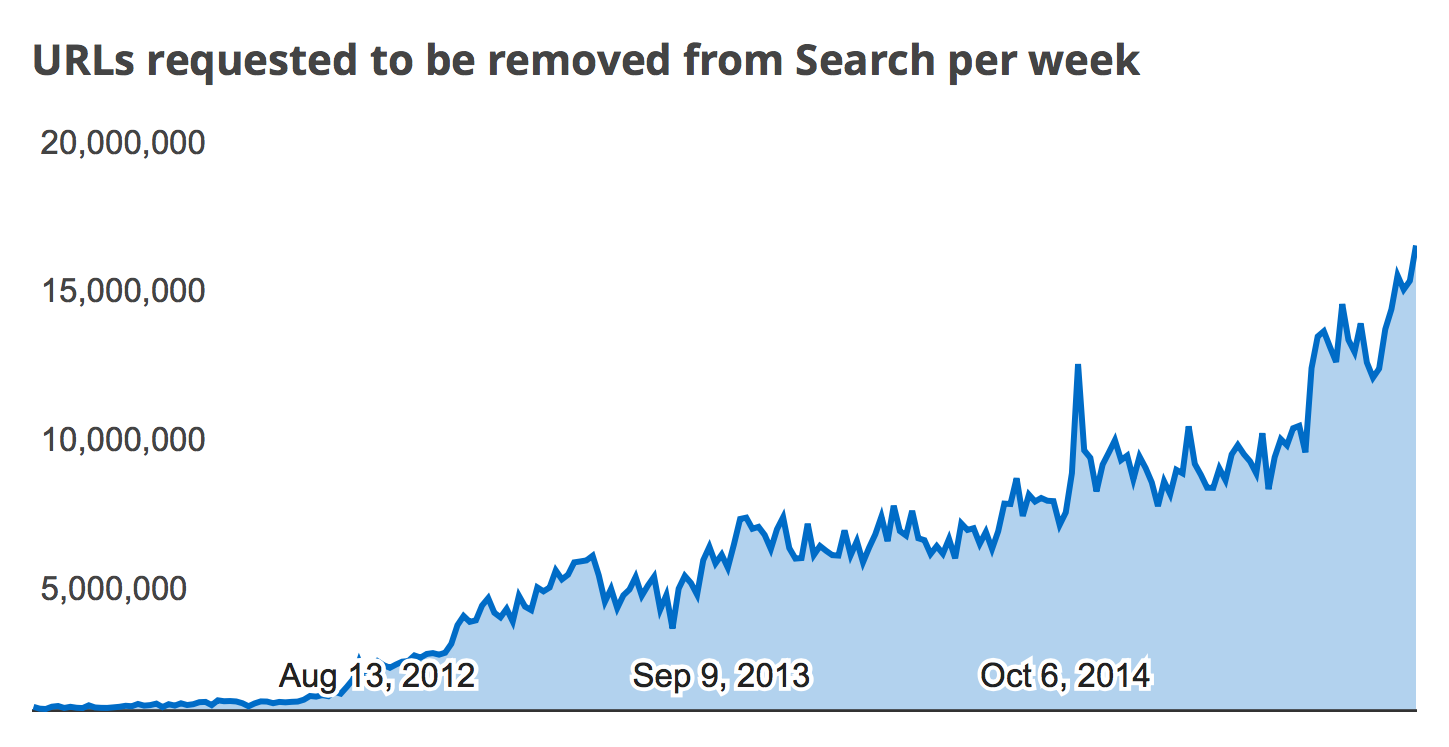
Google launched the first Transparency Report in 2010. The report was actually focused on providing transparency on Google’s interactions with governments, particularly government requests for data or takedowns from Google. The report has expanded over the years to provide more forms of transparency, but almost always about entities besides Google, e.g. advertisers. I was initially excited about the advent of transparency reports, and the industry seems to have agreed because most major platforms now issue similar reports. The delight over such reports, however, now feels quaint. It’s from a time when we collectively thought that governments, not privately-held platform monopolies, were the greatest threat to democracy.
What could we imagine beyond voluntary reports? The mechanism we use to bring transparency to the operations of the US government is The Freedom of Information Act (FOIA). FOIA empowers any US citizen to request documents controlled by the US government. I’m sure there are flaws with FOIA—it’s only a rubber band on government, not actual control of the state by the working class. But my impression is that reporters think FOIA is extremely good.
I contend that tech platforms should be subject to transparency requests for their internal documents. I think this would be only marginally disruptive to the internal functioning of tech giants while correcting some major problems the platforms present. It’s also a non-reformist reform as it has the potential to permanently change the functioning of the platforms.
You know what I want: Information
What would we ask to see within the platforms, and how would it benefit the citizenry?
Internal metrics. Major firms already have to disclose some metrics for investors, but firms have flexibility in what they publish. Consider election manipulation. Firms currently only publish statistics they consider to be positive, but they must have much, much more information internally. Exposing such metrics to daylight would provide a major incentive to address manipulative behavior on platforms.
Policy enforcement guidelines. We know what is legal in the real world because we can look at constitutions, legislation, and caselaw. How do we know what is allowed on a platform? Enforcement is entirely opaque, and the thousand-page documents platforms have on enforcement procedures are closely-guarded secrets. That secrecy shields platforms from criticism, but I don’t believe it serves users.
Competitive practices. Tech giants regularly abuse their monopolies to gain control over new markets. As Ben Tarnoff wrote, antitrust might be a useful tool in reducing the power of the tech platforms, but it isn’t an end in its own right. Still, exposing the casual anti-competitive practices of the platforms will help to change the conversation around the power they hold.

How platforms will respond
Tech firms already live in a world where their internal documents can be made public. The process of ediscovery is used in lawsuits to find and turn over a company’s internal documents. Since court proceedings are a matter of public record, every few months the world gets an enjoyable glimpse into the internal workings of a tech giant.
Tech firms have already accounted for ediscovery. I have frequently been instructed to add a lawyer to an email thread and label it “A/C Priv” (attorney-client privileged) to filter the communication from ediscovery procedures. I have also been instructed to not discuss some of my work in text. These practices may expand under a transparency regime, but it would not totally upend the operations of the platforms.
I admit that removing the ability to discuss some work in the clear may hamper tech firms’ efficacy. I argue this is a worthwhile tradeoff. Wikileaks may provide some insight. Through all of Wikileaks’ anarchic actions, I glean one principle I think of as the Wikileaks doctrine: The scale of an institution’s operations should be limited by the scale of what it can be transparent about. If you can’t talk about it, then why the fuck should I trust you to do it? Platforms don’t need secrecy to serve us; the concept of privacy is a human-scale consideration and it’s a type error to apply it to the most powerful institutions on earth.
Go to market
I’m working on a writeup of the concessions-extraction model of reigning in platforms. In short, we should leverage state power to extract concessions from platforms to provide us more positive/less negative utility while we limit their power. More on that in the future.
There are lots of models to build on in providing transparency to tech platforms. Remember that essential internet infrastructure components like Linux, Firefox, gcc, and so many more are built almost entirely in the open, and the internet hasn’t collapsed yet. Ediscovery and FOIA are other examples to consider.
I would pick a contentious topic, e.g. election interference or anti-competitive practices in the browser or OS space, and force platforms to agree to a transparency agreement regarding these areas. I would also allow internal documents to be secret for a year; the goal is longterm oversight, not leaking timely secrets to competitors.
The FOIA model would mean that reporters could file requests against the platforms for conversations or metrics related to transparent areas. Alternatively, the platforms could come to an agreement with legislators or outside governing bodies about what metrics and internal communications would automatically be released and on what timeline. Products are developed collaboratively across email lists, messaging threads, and dashboards. Some of these channels should be published more aggressively than others, and an antagonistic process between a platform and regulators could arrive at a beneficial arrangement for increasing transparency.
Be reasonable, demand the impossible
I’d love to hear what questions and thoughts you might have about tech platforms. I’ve worked on platforms for over 10 years across several major tech firms. I’m hoping I can provide some insight into how they function and how they can be captured; if you have questions or suggestions for topics please hit me up.